Sheetrock VS Drywall
If you've ever hired a contractor, visited a hardware store, or watched a home improvement show, you've probably heard the terms Sheetrock and drywall used interchangeably. But are they really the same thing? The short answer is: The building product drywall is the name of the building product. Sheetrock is drywall made by USG and is their trademark name brand for drywall. Just like Soda and Sprite are both the same but one is a name brand version. Let's break down the difference, explore the history behind the name "Sheetrock," and learn how one company shaped the way we build walls in America.
What Is Drywall?
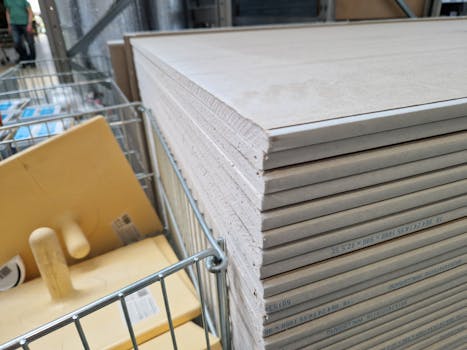
Drywall is a building material used to create interior walls and ceilings. It consists of a core of gypsum pressed between two thick sheets of paper. Drywall is often referred to as plasterboard, wallboard, or gypsum board. It replaced the traditional method of applying wet plaster over wood lath , a labor-intensive process that could take days or even weeks to dry. This how it got the name "dry" wall: installation is fast, clean, and requires only minimal drying time for the wall itself.
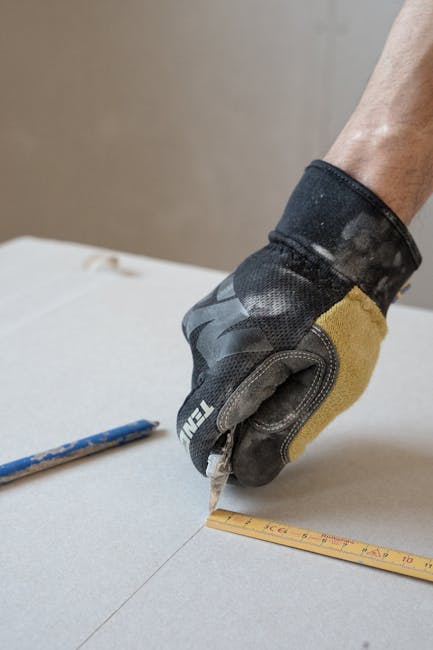
Drywall comes in standard sheets, usually 4 feet wide and 8 to 12 feet long, and in various thicknesses such as 1/4", 3/8", 1/2", and 5/8". Specialty types include moisture-resistant (green board), fire-resistant (Type X), and mold-resistant drywall.
What Is Sheetrock?
Sheetrock is a brand name for drywall manufactured by United States Gypsum Company (USG). Think of it like the difference between "tissue" and "Kleenex," or "adhesive bandage" and "Band-Aid." Sheetrock is drywall, it's just one specific manufacturer's version of it. The product is made of the same gypsum core and paper facing as any other drywall, but it carries the trademarked Sheetrock® name.
Over the decades, the Sheetrock brand became so dominant in the market that many contractors, homeowners, and hardware store employees simply started calling all drywall "Sheetrock," regardless of who actually manufactured it. This is a classic case of a brand name becoming a generic term, a phenomenon known in marketing as generalization.
The History of USG and the Sheetrock Brand
The story of Sheetrock begins with the United States Gypsum Company (USG), which was founded in 1902 through the merger of 30 independent gypsum companies. From the start, USG was the largest gypsum company in the world, controlling a massive share of the American gypsum market.
In 1916, USG introduced a revolutionary new product: a pre-made gypsum panel that could be nailed directly to wall studs. They called it Sheetrock. At the time, almost all interior walls were built using traditional wet plaster applied over wood lath strips. The process was skilled labor, time-consuming, and messy. Sheetrock offered a faster, cheaper, and more consistent alternative.
However, adoption was slow at first. Builders and plasterers were skeptical. Wet plaster had been the standard for centuries, and many tradespeople resisted the change. It wasn't until World War II that drywall truly took off. The war created an enormous demand for fast, affordable housing for military personnel and factory workers. With skilled plasterers in short supply (many had gone to war), drywall became the practical solution. Factories could produce panels quickly, and less-skilled workers could install them in a fraction of the time.
After the war, the American housing boom of the 1950s cemented drywall's place as the go-to wall material. Subdivisions like Levittown were built at record speed, and drywall, especially Sheetrock was at the heart of that construction revolution.
USG's Continued Influence
USG didn't stop innovating after introducing Sheetrock. Over the following decades, the company developed a wide range of gypsum-based products including joint compounds, ceiling tiles, and specialty panels for fire resistance and soundproofing. The Sheetrock brand expanded to include not just panels but also joint tape, setting-type compounds, and lightweight all-purpose mud, products that are staples on job sites to this day.
In 2019, USG was acquired by the German building materials company Knauf in a deal worth approximately $7 billion. Despite the change in ownership, the Sheetrock brand name continues to be one of the most recognized names in the construction industry.
So, Are Sheetrock and Drywall the Same?
In everyday conversation, yes people use the terms interchangeably and everyone knows what you mean. But technically:
- Drywall is the generic term for gypsum wallboard panels made by any manufacturer (USG, Georgia-Pacific, National Gypsum, CertainTeed, etc.).
- Sheetrock is a trademarked brand of drywall made specifically by USG (now under Knauf).
All Sheetrock is drywall, but not all drywall is Sheetrock.
Does It Matter Which One You Use?
For most residential projects, the differences between Sheetrock and other drywall brands are minimal. The gypsum core, paper facing, and overall performance are very similar across manufacturers. That said, some professionals prefer Sheetrock products for their consistency and the quality of USG's joint compounds. Others choose based on price, availability, or project-specific needs like moisture or fire resistance.
When shopping for drywall, you'll find Sheetrock-branded panels alongside other brands at most home improvement stores. The key is to choose the right type of drywall for your project (standard, moisture-resistant, fire-rated, etc.) rather than worrying too much about the brand name.
Final Thoughts
The next time someone asks you, "Is Sheetrock the same as drywall?" you'll know the full story. Sheetrock is simply USG's brand name for their line of drywall products — a name so successful that it became synonymous with the material itself. From its invention in 1916 to its role in building postwar America, Sheetrock helped transform the construction industry and remains a trusted name on job sites across the country.
Whether you call it Sheetrock, drywall, gypsum board, or wallboard , it's all the same material doing the same job: giving your home smooth, sturdy, and paintable walls.